

-
Product Description
- Heavyweight cloth backing provides durability for high-production environments
- Open coat construction provides improved cut on all woods and helps prevent loading
- Premium aluminum oxide offers increased cut-rate and abrasive life
- Resin bond construction withstands high heat and pressure for longer service life
- Washable backing enables repeated use on high-loading substrates such as pine
Fast-cutting aluminum oxide abrasive grains are resin-bonded to a durable cotton cloth backing to provide continuous cut and long-life. Our open coat and load-resistant coating make this belt particularly favorable for sanding soft woods. Additionally, the washable backing is suitable for high production environments where the belt may need washing at intervals to remove soft wood resin or pitch buildup.
Aluminum oxide mineral is a popular choice among industrial professionals because of its cut-rate, durability, and long life. It can be used on a wide variety of materials in both woodworking and metalworking, including ferrous alloys, and is the most commonly used industrial abrasive. The abrasive particles are adhered to the cloth backing with resin, creating a strong bond that withstands high heat and pressure.
Abrasive belts come in many different widths and lengths and are used on a variety of different belt sanding tools for many different applications on both wood and metal. At 3M we offer a broad selection of belts to fit most any industrial belt sander. Wider belts are used with wide belt sanders to dimension or finish wood panels, smooth rough cut edges of metal sheets, or add a grain pattern to stainless steel sheets. Medium-width belts fit onto edge sanders for sanding flat, narrow surfaces such as panel edges; and narrow belts are used with portable belt sanders for sanding or blending wood pieces such as cabinet doors.
Belts come with various splices that join the belt ends. A film media splice achieves a secure bond with a joining film that minimizes chatter marks, ensures a smooth running belt, and produces consistent finishing results. A sine wave splice is constructed of interlocking fingers that enable the splice to travel smoothly over contact wheels, reduce hinging, and provide added strength to the joint area. Sine wave splices are typically used for coarser grades and wide belts as well as on belts that are going to be washed.
3M Cloth Belt Model
The 3M Cloth Belt 340D is designed for durability and high production use. This model features a heavyweight cloth backing that stands up well in tough sanding environments, making it a reliable choice for professionals.
Its open coat construction helps prevent loading and improves cutting on all types of wood. This belt is ideal for applications requiring aggressive stock removal and consistent performance.
Premium Grade Abrasive
This belt uses a P100 X-weight grade, providing a balance of cut rate and finish quality. The premium aluminum oxide abrasive grains are resin bonded to the cloth backing for long-lasting use.
Aluminum oxide is widely used in both woodworking and metalworking, making this belt versatile for sanding wood, ferrous alloys, and other materials with consistent results.
Size And Format Details
The belt measures 3 inches by 24 inches, fitting a variety of belt sanding tools. This size is suitable for edge sanding, portable belt sanding, and wide belt sanding applications.
Its format supports different sanding needs, from smoothing rough edges to finishing wood panels or metal sheets, providing flexibility across many projects.
Durability And Construction Benefits
The resin bond construction withstands high heat and pressure, extending the belt’s service life. This makes it suitable for demanding sanding tasks without premature wear.
Additionally, the washable backing allows repeated use on high-loading substrates like pine, helping maintain performance by removing resin or pitch buildup.
Pack Size And Usage
This product comes in a case of 50 belts, sold as 10 belts per carton. This pack size supports high-volume production environments where frequent belt changes are needed.
Having multiple belts on hand ensures continuous workflow and reduces downtime, especially in industrial or professional sanding operations.

3M
3M Cloth Belt 340D, 3 in x 21 in P100 X-weight,(10/Carton) Case of 50
$132.24 Per Case
Add to Cart
3M
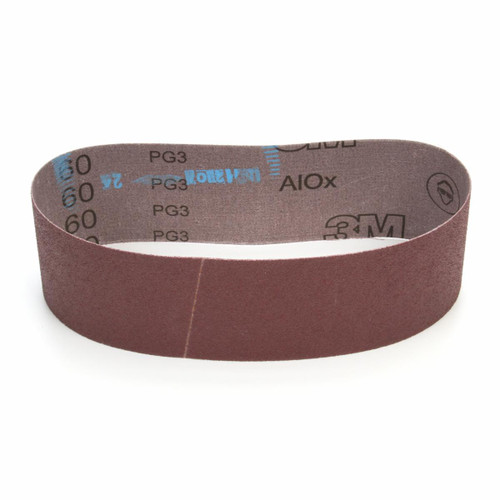
3M Cloth Belt 340D, 3 in x 24 in 60 X-weight, (10/Carton) Case of 50
$153.72 Per Case
Add to Cart

3M
3M Cloth Belt 340D, 3 in x 24 in P120 X-weight, (10/Carton) Case of 50
$139.06 Per Case
Add to Cart
3M
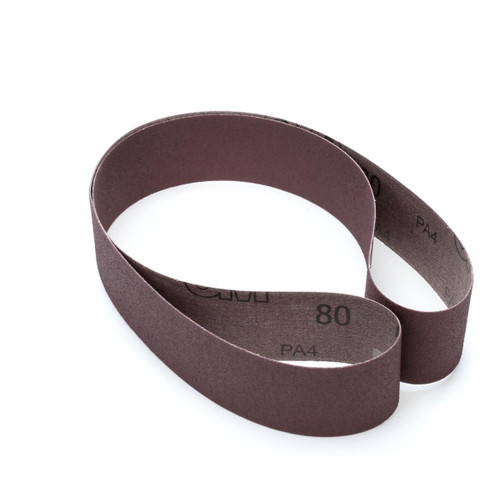
3M Cloth Belt 341D, 3 in x 24 in P100 X-weight, (10/Carton) Case of 50
$139.68 Per Case
Add to Cart

3M
3M Cloth Belt 340D, 4 in x 24 in 60 X-weight, (10/Carton) Case of 50
$253.48 Per Case
Add to Cart